Bahujan Leaders

The thinkers, saints and reformers who built the anti-caste movement — from the Buddha to Kanshiram.

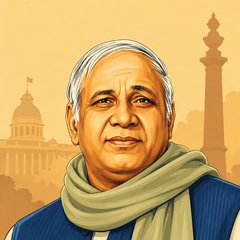
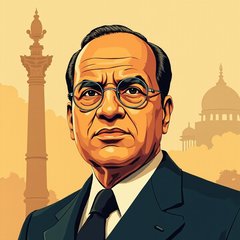
Dr. B.R. Ambedkar

Dr. B.R. Ambedkar

1891–1956 Architect of the Constitution

Jurist, economist, and principal architect of India's Constitution. Born into an "untouchable" caste, he turned scholarship into a weapon against it — leading the Mahad and temple-entry satyagrahas, writing Annihilation of Caste, securing safeguards for the oppressed, and in 1956 embracing Buddhism with half a million followers. Educate, Agitate, Organise.
Gautama Buddha

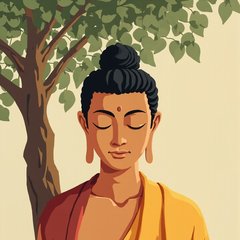
Gautama Buddha

~5th c. BCE Teacher of reason & compassion

A 5th-century-BCE teacher who rejected caste, ritual, and birth-based hierarchy, holding that human worth rests on conduct and reason alone. His ethical path of compassion and inquiry became the foundation Ambedkar reclaimed in 1956 as Navayana — a this-worldly, rational Buddhism for the anti-caste movement.

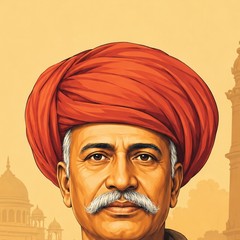
Jyotirao Phule

Jyotirao Phule

1827–1890 Reformer · founder, Satyashodhak Samaj

Nineteenth-century reformer from Pune who named the caste order a system of exploitation and fought it with schools rather than scripture. With his wife Savitribai he opened India's early schools for girls and "lower" castes, and rallied the oppressed majority. Founder of the Satyashodhak Samaj.

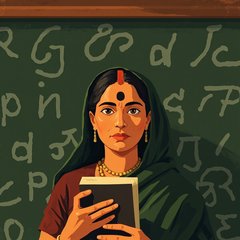
Savitribai Phule

Savitribai Phule

1831–1897 India's first woman teacher

India's first woman teacher and a pioneering anti-caste feminist. In the 1840s–50s she taught girls and Dalit children despite dung and stones thrown at her, opened a shelter for widows and unwed mothers, and campaigned against child marriage. Poet, educator, and the movement's first great woman leader.

Periyar E.V. Ramasamy

Periyar E.V. Ramasamy

1879–1973 Leader, Self-Respect Movement

Leader of South India's Self-Respect Movement, who attacked caste, patriarchy, and superstition with fearless rationalism. He urged people to put reason over faith, championed women's equality and inter-caste marriage, and made self-respect a political programme — the intellectual force behind Tamil Nadu's social-justice politics.

Kanshiram

Kanshiram

1934–2006 Founder, BSP & BAMCEF

The organiser who turned Ambedkar's ideas into electoral power. Founder of BAMCEF and the Bahujan Samaj Party, he built a political base among Dalits, OBCs, and minorities — the Bahujan majority — arguing that those who hold the master-key of power can secure their own rights. A movement-builder over a self-seeker.

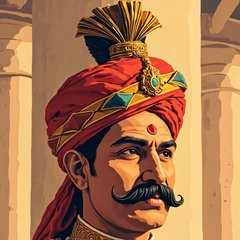
Chhatrapati Shahu Maharaj

Chhatrapati Shahu Maharaj

1874–1922 Reformer-king of Kolhapur

The reformer-king of Kolhapur who turned royal power into a lever for equality. In 1902 he reserved half of state jobs for non-Brahmin castes — among the earliest affirmative action anywhere — funded hostels and schools for Bahujan students, and backed the young Ambedkar. Proof that the state could dismantle caste, not just bless it.

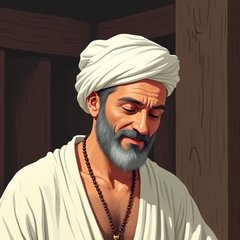
Sant Kabir

Sant Kabir

c. 1440–1518 Weaver-poet & mystic

A 15th-century weaver-poet of Banaras whose couplets mocked caste pride, idolatry, and the authority of both Brahmin and Qazi. Claimed by Hindu and Muslim alike yet owned by neither, he taught that the divine lives in honest work and a clear conscience, not in ritual or birth.

Sant Ravidas

Sant Ravidas

15th–16th c. Cobbler-saint of Begampura

A 15th–16th-century cobbler-saint of the Bhakti movement who envisioned Begampura — a "city without sorrow" where none are high or low and all are free from caste and want. His hymns, sung to this day, make dignity and equality a spiritual demand, not a favour.